Marathon Distance Guide
42.195 kilometers demands specific preparation. Compare the effort against shorter distances. Understand fueling needs and pacing implications over prolonged exposure.
The Standard Distance
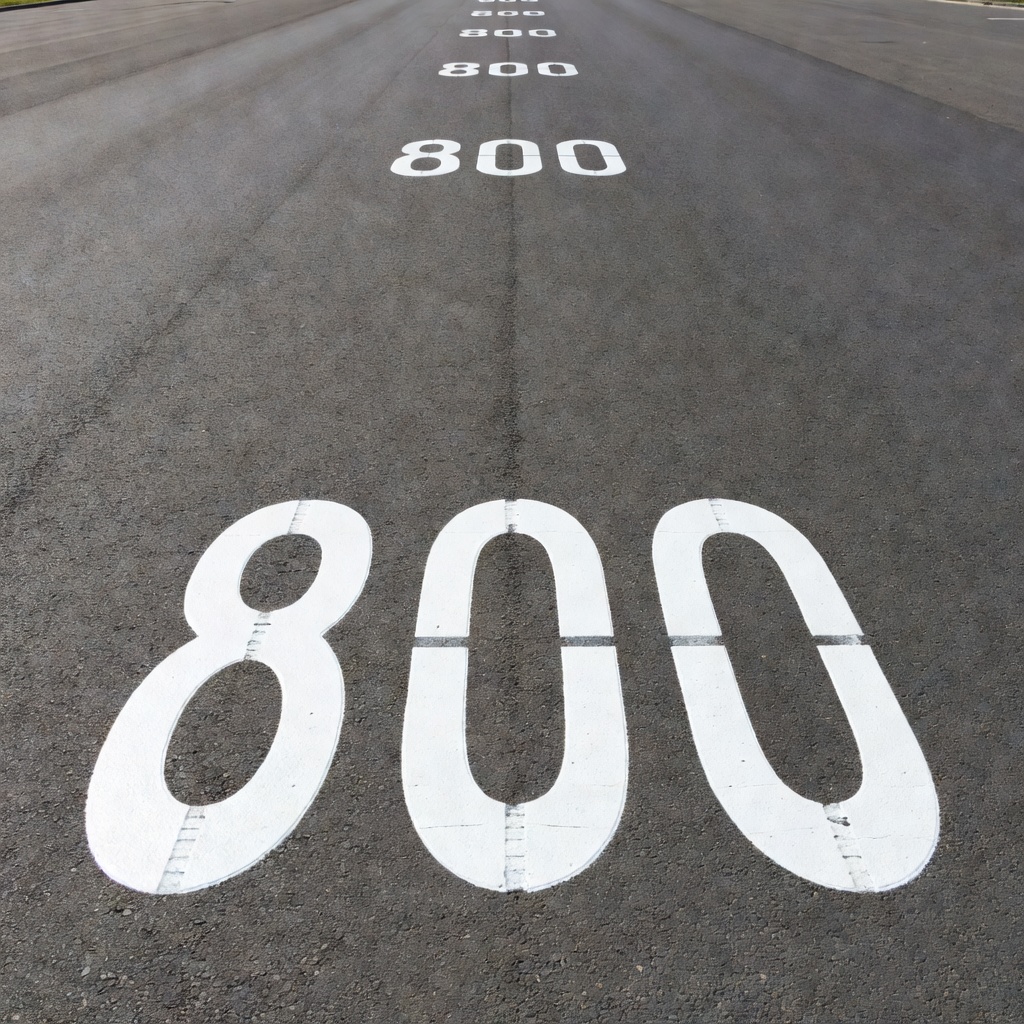
The marathon measures exactly 42.195 kilometers. Official road routes require certification. Measurement tools ensure precision. Runners rarely run the exact distance. Turning wide adds meters. Weaving through crowds adds distance. GPS watches overestimate distance in urban environments. Trust the physical course markers over digital watch readings.
Marathon vs Half Marathon
A marathon is not simply two half marathons. The physiological demand shifts drastically. A half marathon relies heavily on existing glycogen stores. A full marathon exhausts these stores. The "wall" occurs around 30 kilometers. Fueling becomes mandatory, not optional. Pace scaling is non-linear. Doubling your half marathon time and adding ten minutes provides a generic, but often aggressive, estimate.
Distance vs Elevation
Flat distance reads differently than hilly distance. A 42km flat route allows rhythmic, continuous pacing. A 42km route with 300 meters of elevation gain disrupts rhythm. Climbing recruits different muscle groups. Descending damages quadriceps. Factor route profile into your distance expectations. Distance remains constant. Effort scales with topography.
Event Format Comparison
| Metric | 10K | Half Marathon | Full Marathon |
|---|---|---|---|
| Distance | 10.0 KM | 21.097 KM | 42.195 KM |
| Primary Fuel System | Carbohydrate | Carbohydrate / Fat | Fat / Carbohydrate depletion |
| In-Race Fueling | Optional | Recommended | Mandatory |
| Pacing Strategy | Aggressive threshold | Controlled threshold | Aerobic conservation |
| Recovery Window | 1-3 days | 1-2 weeks | 3-4 weeks |
Weather Exposure over Distance
Time on course amplifies weather effects. A two-hour exposure to 20°C heat is manageable. A four-hour exposure guarantees severe fluid loss. Nordic spring mornings start cold. Temperatures rise by midday. Dressing appropriately requires layering strategy. Discard cheap layers before the start. Do not carry unnecessary weight over 42 kilometers.
Pacing Implications
Pacing errors penalize heavily in the marathon. Start 10 seconds per kilometer too fast, and suffer minutes of delay in the final stages. Utilize early kilometers for warmup. Target an even effort, not necessarily an even pace. Uphills demand slower pace for the same effort. Respect the distance. Conservative starts yield stronger finishes.
What to Know
- Practice consuming 40-60 grams of carbohydrates per hour in training.
- Follow the blue line on the road. It marks the shortest certified route.
- Expect GPS errors around tall Nordic architecture.
- Adjust pace expectations based on real-time weather.