
SCANDINAVIAN MARATHONS. RACE BY RACE.

A practical guide to Scandinavian marathon calendars, routes, finishing results, race distances, and planning information. Review the data. Plan the season. Run the race.

Runners competing on an urban road during a marathon event

Race Metrics

REGION Scandinavia
DISTANCE 42.195 KM
ROUTE Road / Mixed
RESULTS Chip Timed
SEASON May – Oct
FORMAT EXAMPLE Illustrative Data

Guide Index

Calendar display graphic over abstract Nordic background
Planning Dates

Scandinavian Marathon Calendar

Review structural patterns of marathon dates across Scandinavia. Understand seasonal timing, destination differences, and registration windows for spring and autumn events.

  • Race season patterns
  • City vs regional races
  • Registration timing
VIEW CALENDAR
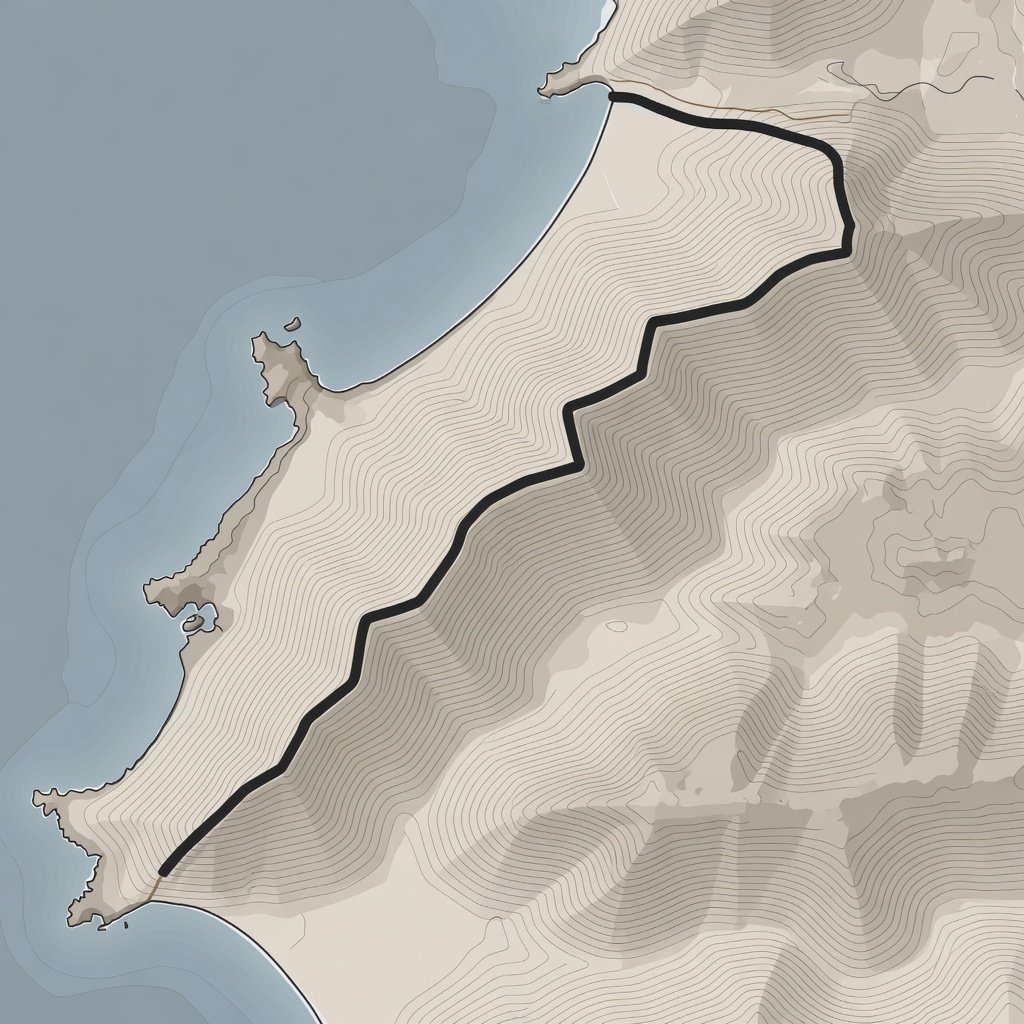
Map graphic showing coastal road route elevation
Terrain Elevation

Marathon Routes Across Scandinavia

Analyze route structures. Compare urban asphalt against mixed coastal surfaces. Understand how elevation profiles and Baltic weather exposure impact race-day pacing.

  • Surface variations
  • Weather exposure
  • Aid-station placement
VIEW ROUTES
Digital timing clock displaying marathon split times
Data Splits

Scandinavian Marathon Results

Interpret finishing results and split times. Read historical result tables, understand age-category standings, and analyze pacing metrics from finish lines.

  • Finish times and categories
  • Negative vs positive splits
  • Historical comparison
VIEW RESULTS
Runner's perspective looking down a long straight road
Analysis 42.195 KM

Marathon Distance Guide

Assess the full marathon distance. Compare requirements against half marathon and 10K events. Factor in difficulty markers like route profiles and weather implications.

  • Distance comparison
  • Course profile impact
  • Pacing adjustments
COMPARE DISTANCES
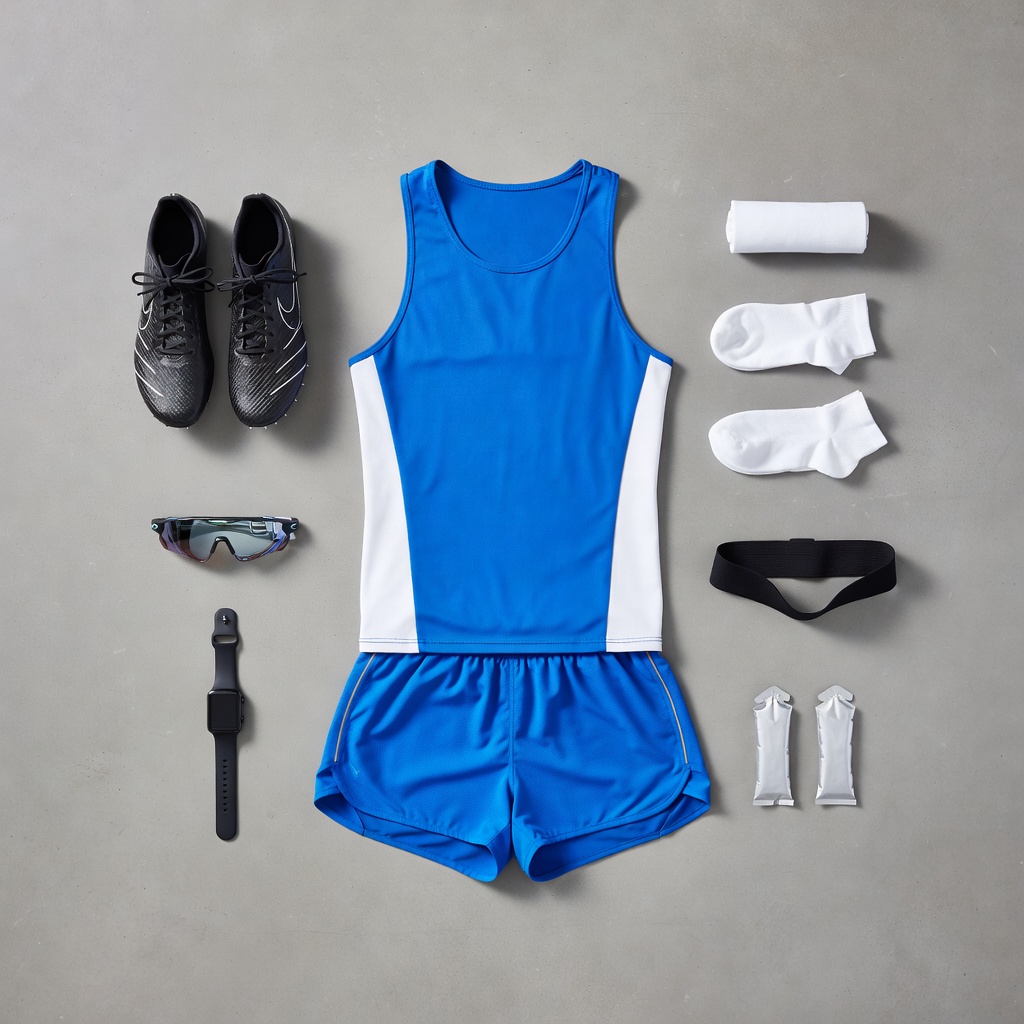
Overhead view of race day gear laid out neatly
Preparation Logistics

Scandinavian Race Planner

Structure your race logistics. Plan travel, assess accommodation timing, schedule race-week routines, and organize race-day transport to the starting area.

  • Event selection criteria
  • Travel and accommodation
  • Race-day logistics
PLAN A RACE

READ THE RACE AT A GLANCE

ILLUSTRATIVE FORMAT — Tracking standard race progression points.

01

DATE

Season timing

02

VENUE

City / Region

03

ROUTE

Profile check

04

START

Gun time

05

SPLITS

Checkpoints

06

FINISH

Net time